Chemical product
MSDS Name: Lithium Hydroxide Monohydrate Material Safety Data Sheet
Synonym: Lithium Hydroxide Hydrate; Lithium Hydroxide Hydrated
CAS# Chemical Name Content EINECS#
1310-66-3 Lithium Hydroxide Monohydrate 100% unlisted
Hazard Symbols: C
Risk Phrases:34
Danger
Section 3- HAZARDS IDENTIFICATION
EMERGENCY OVERVIEW:
Causes burns. Hygroscopic. Corrosive.
Potential Health Effects:
Eye:
Causes eye burns. May cause chemical conjunctivitis and corneal damage.
Skin:
Cause skin burns. Chronic ingestion may cause dizziness, ringing in the ears, visual disturbances, tremors,
and mental confusion.
Prolonged absorption may affect electrolyte balance and impair kidney function.Dehydration, weight loss,
skin effects, and thyroid disturbances have been reported. May cause skin rash ( in milder cases), and cold
and clammy skin with cyanosis or pale color.
Ingestion:
May cause severe and permanent damage to the digestive tract. Cause gastrointestinal tract burns. May
cause circulatory system failure.
Section 2-COMPOSITION, INFORMATION ON INGREDIENTS
Details of the supplier of the safety data sheet
Company :Future Chemical Co.,Ltd.
Tianqiao district,jinan,Shandong province
Danger
Section 3- HAZARDS IDENTIFICATION
EMERGENCY OVERVIEW:
Causes burns. Hygroscopic. Corrosive.
Potential Health Effects:
Eye:
Causes eye burns. May cause chemical conjunctivitis and corneal damage.
Skin:
Cause skin burns. Chronic ingestion may cause dizziness, ringing in the ears, visual disturbances, tremors,
and mental confusion.
Prolonged absorption may affect electrolyte balance and impair kidney function.Dehydration, weight loss,
skin effects, and thyroid disturbances have been reported. May cause skin rash ( in milder cases), and cold
and clammy skin with cyanosis or pale color.
Ingestion:
May cause severe and permanent damage to the digestive tract. Cause gastrointestinal tract burns. May
cause circulatory system failure.
Section 2-COMPOSITION, INFORMATION ON INGREDIENTS
Details of the supplier of the safety data sheet
Company :Future Chemical Co.,Ltd.
Rm.316-14,3rd.floor, jinan new material trade
center office, tianqiao district,jinan,Shandong province
Telephone
Fax
: +86 531 68657995
: +86 531 88803775
Emergency telephone number
Emergency Phone # : +86 13280017959
FUTURE CHEMICAL
MSDS Lithium Hydroxide Monohydrate
May cause perforation of the digestive tract. May cause cardiac disturbances. May cause corrosion and
permanent tissue destruction of the esophagus and digestive tract. May cause tremors and convulsions.
May cause systemic effects.
Inhalation:
Causes severe irritation of upper respiratory tract with coughing, burns, breathing difficulty, and possible
coma. Causes chemical burns to the respiratory tract. Aspiration may lead to pulmonary edema. May cause
systemic effects.
Chronic:
Effects may be delayed. Chronic ingestion may cause dizziness, ringing in the ears, visual disturbances,
tremors, and mental confusion. Prolonged absorption may affect electrolyte balance and impair kidney
function. Dehydration, weight loss, skin effects, and thyroid disturbances have been reported.
Section 4- FIRST AID MEASURES
Eyes:
Get medical aid immediately. DO NOT allow victim to rub or keep eyes closed. Extensive irrigation with
water is required ( at least 30 minutes)
Skin:
Get medical aid immediately. Immediately flush skin with plenty of soap and water for at least 15 minutes
while removing contaminated clothing and shoes. Wash clothing before reuse. Destroy contaminated shoes.
Ingestion:
DO NOT induce vomiting. If victim is conscious and alert, give 2-4 cupfuls of milk or water. Get medical
aid immediately.
Inhalation:
Get medical aid immediately. Remove from exposure to fresh air immediately. If not breathing, give
artificial respiration. If breathing is difficult, give oxygen. DO NOT use mouth-to-mouth resuscitation. If
breathing has ceased apply artificial respiration using oxygen and a suitable mechanical device such as a bag
and a mask.
Notes to Physician:
Section 5- FIRE FIGHTING MEASURES
General Information:
As in any fire, wear a self-contained breathing apparatus in pressure-demand, MSHA/NIOSH (approved or
equivalent), and full protective gear. During a fire, irritating and highly toxic gases may be generated by
thermal decomposition or combustion. Wear appropriate protective clothing to prevent contact with skin and
eyes. Wear a self-contained breathing apparatus (SCBA) to prevent contact with thermal decomposition
products.
Extinguishing Media:
In case of fire, use water, dry chemical, chemical foam, or alcohol-resistant foam.
Section 6- ACCIDENTAL RELEASE MEASURES
General Information:
Use proper personal protective equipment as indicated in Section 8.
Spills/Leaks:
MSDS Lithium Hydroxide Monohydrate
Vacuum or sweep up material and place into a suitable disposal container. Clean up spills immediately,
observing precautions in the protective equipment section. Avoid generating dusty conditions.
Provide ventilation.
Section 7- HANDLING AND STORAGE
Handling:
Wash thoroughly after handling. Wash hands before eating. Minimize dust generation and accumulation. Do
not get in eyes, on skin, or on clothing. Keep container tightly closed. Do not ingest or inhale.
Storage:
Keep container closed when not in use. Store in a cool, dry, well-ventilated area away from incompatible
substances. Corrosives area. Store protected from moisture.
Section 8- EXPOSURE CONTROLS, PERSONAL PROTECTION
Engineering Controls:
Facilities storing or utilizing this material should be equipped with an eyewash facility and a safety shower.
Use adequate ventilation to keep airborne concentrations low.
Personal Protective Equipment Eyes: Wear appropriate protective eyeglasses or chemical safety goggles as
described by OSHA’s eye and face protection regulations in 29 CFR 1910.133 or European Standard
EN166.
Skin:
Wear appropriate protective gloves to prevent skin exposure.
Clothing:
Wear appropriate protective clothing to minimize contact with skin.
Respirators:
A respiratory protection program that meets OSHA’s 29 CFR 1910.134 and Z88.2 requirements or European
Standard EN 149 must be followed whenever workplace conditions warrant a respiration’s use.
Section 9- PHYSICAL AND CHEMICAL PROPERTIES
Physical State: Solid
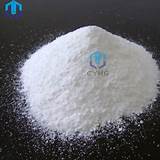
Appearance: white
Odor: none reported
PH:14@1N solution
Vapor Pressure: Not applicable
Viscosity: Not applicable
Boiling Point: Not applicable
Freeing /Melting Point: Not available
Autoignition Temperature: Not Available
Flash Point: Not available
Explosion Limits, lower: Not available
Explosion Limits, upper: Not available
Decomposition Temperature:Not available
Solubility in water: 10.7% (20℃)
Specific Gravity/Density: 1.51
MSDS Lithium Hydroxide Monohydrate
Molecular Formula: LiOH·H2O
Molecular Weight: 41.97
Section 10- STABILITY AND REACTIVITY
Chemical Stability:
Stable at room temperature in closed containers under normal storage and handling conditions.
Conditions to Avoid:
Incompatible materials, dust generation, moisture, excess heat, exposure to moist air or water.
Incompatibilities with Other Materials:
Moisture, strong bases, strong acids, strong oxidizing agents.
Hazardous Decomposition Products:
Irritating and toxic fumes and gases, oxides of lithium.
Hazardous Polymerization:
Has not been reported.
Section 11- TOXICOLOGICAL INFORMATION
RTECS#:
CAS#: 1310-66-3 unlisted
LD50/LC50: Not available
Carcinogenicity:
LITHIUM HYDROXIDE MONOHYDRATE - not listed by ACGIH, IARC, NIOSH, NTP, or OSHA
See actual entry in RTECS for complete information
Section 12- ECOLOGICAL INFORMATION
Section 13- DISPOSAL CONSIDERATIONS
Products which are considered hazardous for supply are classified as Special Waste and the disposal of such
chemicals is covered by regulations which may vary according to location. Contact a specialist disposal
company or the local waste regulator for advice. Empty containers must be decontaminated before returning
for recycling.
Section 14- TRANSPORT INFORMATION
IATA
Shipping Name: LITHIUM HYDROXIDE MONOHYDRATE
Hazard Class: 8
UN Number: 2680
Packing Group: II
IMO
Shipping Name: LITHIUM HYDROXIDE MONOHYDRATE
Hazard Class: 8
UN Number: 2680
|
 IMU SENSORI (3)
 DRONES (5)
 RADAR SURVEILLANCE (3)
 Security & Defense Technology
 Battery Storage Energy (5)